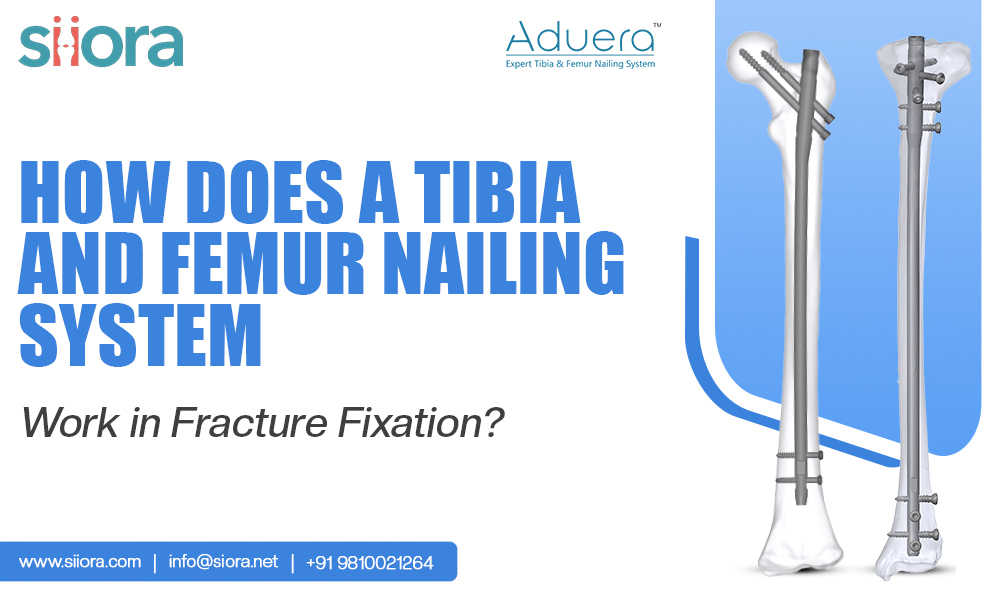
Treating long bone fractures has changed a lot over the years. Today, orthopedic surgeons often prefer intramedullary nailing for fractures of the tibia and femur because it provides stable fixation while allowing early movement. A tibia and femur nailing system is specially designed to support broken bones from the inside, helping patients recover faster and regain mobility with fewer complications.
These systems are commonly used in trauma cases caused by road accidents, sports injuries, or falls. Since both the tibia and femur are weight-bearing bones, proper stabilization is important for successful healing.
What Is a Tibia and Femur Nailing System?
A tibia and femur nailing system mainly consists of metal expert tibia nail & femur nail, locking screws, and surgical instruments used during fixation. The nail is inserted into the medullary canal of the bone, which is the hollow central part running through the shaft.
Most nails are made from titanium or stainless steel. They are available in different lengths and diameters to match varying patient anatomies and fracture patterns. Locking screws are placed at both ends of the nail to prevent rotation and maintain alignment during healing.
How does the Nailing Procedure Work?
The procedure usually begins after proper fracture assessment through X-rays or scans. During surgery, the fractured bone is first aligned carefully. A small incision is then made near the entry point of the bone.
For femoral fractures, the nail is commonly inserted near the hip region, while tibial nails are generally inserted below the knee. Using image guidance, the surgeon passes the nail through the medullary canal across the fracture site.
Once the nail is correctly positioned, locking screws are inserted through small incisions. These screws secure the nail and keep the bone fragments stable. The fixation works internally, which means less disturbance to surrounding muscles and soft tissues compared to some traditional plating methods.
Why Intramedullary Nailing Is Preferred?
One major reason surgeons prefer tibia and femur nailing systems is stability. Since the nail is placed inside the bone, it shares the body’s load more naturally. This allows patients to begin controlled movement earlier in many cases.
Another advantage is smaller surgical exposure. Because large incisions are usually not required, there is less soft tissue damage and reduced blood loss during surgery. This can help lower the risk of infection and improve recovery time.
Intramedullary nails also perform well in complex fractures, especially shaft fractures of the tibia and femur. In osteoporotic patients, these systems can provide reliable support when used properly.
Recovery After Surgery
Recovery depends on the type of fracture, patient health, and rehabilitation plan. In many cases, physiotherapy starts early to maintain joint movement and muscle strength. Some patients may begin partial weight-bearing within weeks, depending on fixation stability.
Regular follow-up is important to monitor bone healing. Over time, the bone gradually unites around the orthopaedic implant while the nail continues to provide internal support.
Final Thoughts
A tibia and femur nailing system plays an important role in modern fracture management. By stabilizing the bone from within, it supports proper alignment, promotes healing, and allows earlier mobility. For orthopedic surgeons, these systems offer a dependable method for managing long bone fractures while minimizing soft tissue disruption and improving patient recovery outcomes.

