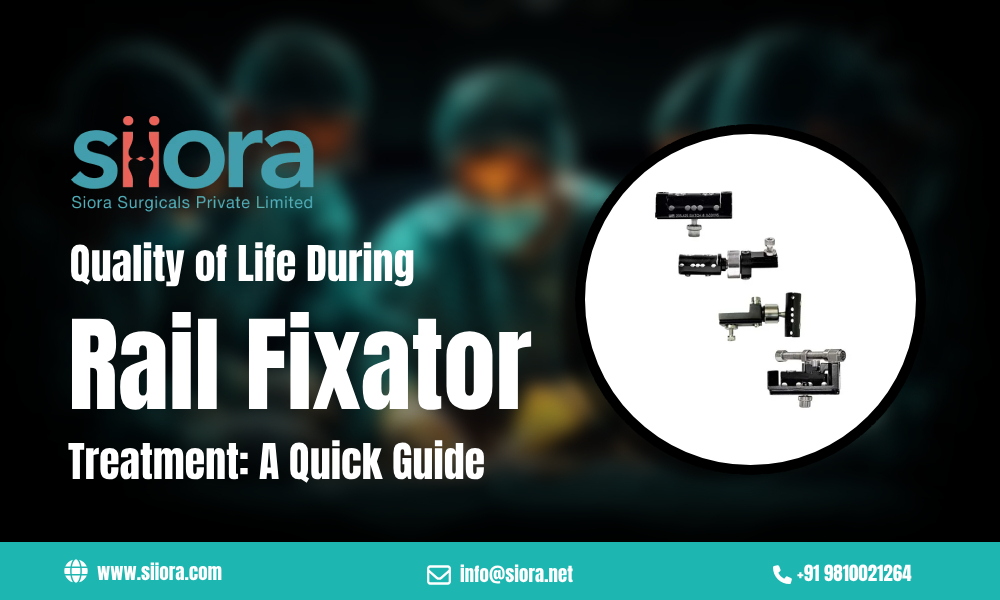
Rail fixators are external devices used in orthopedic surgery to treat complex fractures, limb length discrepancies, or deformities can be life-changing. But living with one is no easy ride. While the goal is long-term mobility and function, the journey often includes pain, inconvenience, and emotional stress. Understanding how to maintain your quality of life during this treatment can make a significant difference.
What is a Rail Fixator?
A rail fixator is an external frame attached to bones through pins or wires. Surgeons use it to stabilize bone fragments, correct misalignments, or lengthen limbs gradually. It’s typically used for several months, depending on the condition being treated. The device works, no question but it comes with lifestyle disruptions that can affect daily comfort and well-being.
How Rail Fixators Improve the Quality of Life?
Pain and Physical Discomfort
Let’s be honest: wearing a rail fixator hurts. There’s the initial post-op pain, followed by soreness from the daily adjustments. Pain is often most intense during the early days and after each adjustment. Over-the-counter pain relievers or prescribed medications can help, but the real game-changer is staying ahead of the discomfort. Elevating the limb, applying ice (with care), and engaging in gentle movements can reduce inflammation.
It’s also important to understand the difference between expected pain and warning signs. Persistent sharp pain, swelling, fever, or foul-smelling discharge around the pins might signal an infection and should be reported immediately.
Hygiene and Infection Control
Pin site care is a daily ritual and not one to skip. Infections are a common complication, and proper cleaning routines can help avoid serious setbacks. Most surgeons recommend a sterile saline solution and gauze to clean the pin sites, followed by a mild antiseptic. Some clinics also advise against using ointments or creams unless specifically prescribed.
Showering is generally allowed once the pin sites are stable, but soaking in tubs or pools is usually off-limits. Clean towels, loose clothing, and breathable fabrics can also help reduce the risk of skin irritation and infection.
Mental and Emotional Health
The emotional toll of wearing a rail fixator is real. It affects sleep, movement, body image, and sometimes even your social life. Feelings of frustration, anxiety, or depression are common, especially for long-term wearers. That’s why mental health support is just as crucial as physical care.
Talking openly with your doctor, therapist, or support group can help you process the experience. Journaling, meditation, or creative activities can also provide emotional release and distraction. And don’t underestimate the power of small victories, whether it’s taking your first steps again or seeing X-rays show progress, each milestone matters.
Mobility and Daily Living
Rail fixators limit flexibility and mobility, but with the right tools and adjustments, you can still maintain a level of independence. Crutches, walkers, or knee scooters can help with movement. Simple home modifications like adding grab bars, rearranging furniture, or using a shower chair can improve safety and comfort.
Clothing is another challenge. Loose-fitting pants with side zippers or custom-cut garments can make dressing easier. Some people even find creative ways to personalize their fixators with covers or fabric wraps, not just for comfort, but to reclaim a bit of style and control.
Nutrition and Healing
What you eat matters. Bone regeneration is energy-intensive, and a nutrient-rich diet can speed up healing. Focus on foods high in calcium, vitamin D, and protein. Hydration is also key. And if you’re on medications, be aware of any interactions or restrictions involving alcohol, supplements, or certain foods.
Final Word
Rail fixator treatment can feel overwhelming, but it’s not forever. With the right care, mindset, and support, it’s possible to maintain a decent quality of life while your body heals. Focus on what you can control, stay proactive about complications, and don’t hesitate to lean on your support system. The fixator might slow you down for a while, but it’s building the foundation for a stronger, more mobile future.
Siora Surgicals Pvt. Ltd. is a renowned and experienced manufacturer of a CE-certified range of trauma implants and instruments in India. The company has a presence in over 50 countries and is also looking to be counted among the leading orthopedic devices companies in Jordan by establishing distributors in the country.
 siiora surgicals pvt. ltd